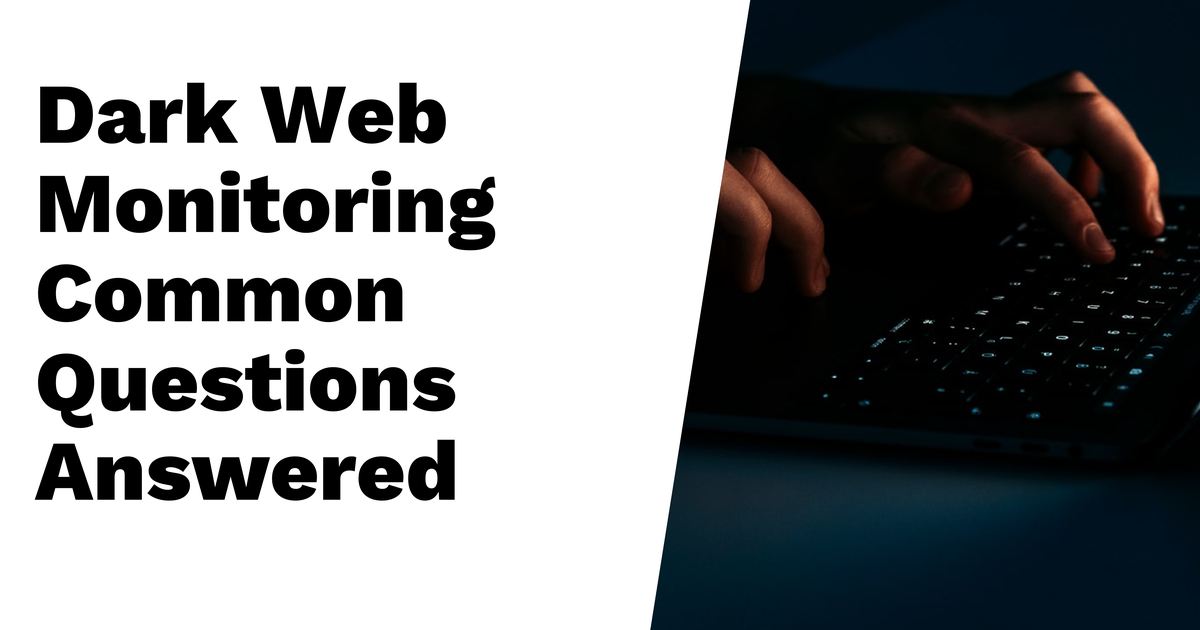
Dark web monitoring is a vital cybersecurity service that keeps an eye on the dark web for your personal information. It continuously scans for compromised credentials, alerting you if your data, like email addresses or passwords, shows up in shady places. The way it works is akin to a search engine focused on the dark web; it tracks sensitive info and notifies users of any threats. This service benefits anyone with sensitive data online, from individuals to large organizations. If your information is found, it’s crucial to act promptly by changing passwords and enhancing security measures to safeguard against potential theft or fraud.
Table of Contents
- What is Dark Web Monitoring?
- How Does Dark Web Monitoring Work?
- What Types of Information Can Be Monitored?
- Is the Dark Web Illegal?
- Who Needs Dark Web Monitoring?
- What to Do If Your Information Is Found?
- How to Prevent Your Data from Ending Up on the Dark Web?
- What Are the Benefits of Dark Web Monitoring?
- How Does Dark Web Monitoring Differ from Traditional Security?
- Can Dark Web Monitoring Help Businesses?
- Frequently Asked Questions
1. What is Dark Web Monitoring?

Dark Web Monitoring is a proactive cybersecurity measure focused on safeguarding your personal information. It continuously scans the dark web to detect if your credentials, like passwords or email addresses, have been compromised or sold by cybercriminals. By signing up for these monitoring services, users can stay informed about the status of their sensitive data. When a breach is detected, alerts are generated, enabling timely action to protect against potential identity theft. In today’s world, where data breaches and cyber threats are rampant, dark web monitoring has become increasingly relevant. Many services offer real-time alerts, ensuring that users are promptly notified if their information appears on the dark web. This monitoring can cover both personal and business-related data, making it a valuable tool for companies aiming to protect customer information and maintain brand integrity. Understanding dark web monitoring can help individuals and businesses take proactive steps against potential risks.
2. How Does Dark Web Monitoring Work?

Dark web monitoring works by continuously scanning various dark web sources for stolen data. Specialized tools scrape known repositories and forums where cybercriminals often trade compromised information. These automated systems utilize advanced algorithms to effectively identify sensitive data, such as email addresses, passwords, and financial information. When your information is detected, the monitoring service promptly sends you an alert, allowing you to take immediate action. Some services also provide detailed reports on where and how your information was found, giving you a clearer picture of the breach. Additionally, monitoring can extend to social media platforms, where leaked information may surface. Users have the option to customize their monitoring preferences, specifying what types of data they want tracked. Many services run these scans continuously, ensuring you receive real-time updates on any potential threats. Some even offer added features like identity theft protection. For your convenience, you can often access a dashboard that summarizes your monitoring results, keeping you informed about your digital security.
3. What Types of Information Can Be Monitored?
Dark web monitoring focuses on various types of sensitive information that could be exploited by cybercriminals. One of the primary targets is email addresses, as they are often used for account recovery and communication. Passwords are another critical piece of data that can be compromised, making it vital to monitor them as well. Full names can also be tracked to identify if they are being misused or sold on the dark web.
Additionally, Social Security numbers are highly sensitive and, if found, can lead to severe identity theft issues. Bank account details are closely monitored to prevent unauthorized access and financial fraud. Medical IDs are tracked too, as they can be leveraged for illegal purposes, such as obtaining false medical services. Other types of information that can be monitored include personal identification numbers and credit card details, which are often targeted in financial scams.
Usernames associated with online accounts are not exempt; they can be vulnerable and are thus included in monitoring services. For businesses, safeguarding proprietary information is essential, and monitoring can extend to domain names and email domains used by organizations to protect their intellectual property. This comprehensive approach helps individuals and businesses stay informed and secure against potential threats.
| Type of Information | Description |
|---|---|
| Email Addresses | Often the first target for cybercriminals. |
| Passwords | Critical data that can be compromised. |
| Full Names | Tracked to see if used fraudulently. |
| Social Security Numbers | Sensitive information that can lead to identity theft. |
| Bank Account Details | Monitored to prevent financial fraud. |
| Medical IDs | Tracked due to potential illegal use. |
| Personal Identification Numbers | Included in monitoring efforts. |
| Credit Card Details | Can be compromised and used by criminals. |
| Usernames | Associated with online accounts and vulnerable. |
| Proprietary Information | Businesses monitor to protect intellectual property. |
| Domain Names | Tracked to safeguard business interests. |
4. Is the Dark Web Illegal?
The dark web itself is not illegal, but it is a part of the internet that is often associated with illegal activities. Many people use it for legitimate reasons, such as privacy and security, including political activists and journalists who seek anonymous communication. However, it is also a marketplace for illegal transactions, like drug trafficking and weapons sales. Additionally, certain sites sell stolen data, which is against the law. Accessing the dark web typically requires specific software, like Tor, which anonymizes users and can protect their identities. While many forums and discussions on the dark web are harmless, the anonymity it offers can also facilitate criminal behavior. Therefore, it is crucial for users to understand the legal boundaries and exercise caution while navigating this hidden part of the internet.
5. Who Needs Dark Web Monitoring?
Dark web monitoring is crucial for a variety of individuals and organizations. Anyone with sensitive personal information online, such as social security numbers, bank details, or private emails, should consider these services. Businesses that handle customer data, like retail and e-commerce companies, are prime candidates, as they are often targeted by cybercriminals seeking to exploit customer information. Organizations with valuable intellectual property should also use monitoring to safeguard against leaks that could harm their competitive edge.
Professionals in finance, healthcare, and legal fields often manage sensitive data that requires stringent protection, making them ideal candidates for dark web monitoring. Parents may want to keep an eye on their children’s information as they become more active online, ensuring their safety against potential threats. Frequent travelers should also consider monitoring to secure their personal information while abroad, as they may inadvertently expose themselves to risks.
Individuals who have previously fallen victim to identity theft should definitely utilize monitoring services to stay ahead of potential threats. Any company with a digital presence should monitor their domains and brand names to protect their reputation. Additionally, online gamers and social media users can be targeted by cybercriminals, making them another group that can benefit from monitoring. Nonprofits and charities that handle donor information should also take precautions to protect their stakeholders, ensuring trust and safety in their operations.
- Individuals with sensitive personal information online should consider dark web monitoring.
- Businesses that handle customer data are prime candidates for monitoring services.
- Organizations that possess valuable intellectual property can benefit from monitoring to prevent data leaks.
- Professionals in finance, healthcare, and legal industries often have sensitive data that needs protection.
- Parents may want to monitor their children’s information as they become more active online.
- Frequent travelers may also want to protect their personal information while abroad.
- Anyone who has been a victim of identity theft previously should use monitoring services.
- Companies with a digital presence should monitor their domains and brand names.
- Online gamers and users of social media platforms may also be targeted by cybercriminals.
- Nonprofits and charities handling donor information should monitor to protect their stakeholders.
6. What to Do If Your Information Is Found?
If your information is found on the dark web, take immediate action to protect yourself. Start by changing the affected passwords right away to limit further exposure. It’s crucial to notify your bank and any financial institutions about the potential breach so they can monitor your accounts for unauthorized transactions. You might also want to place a fraud alert on your credit report, which can help prevent identity theft. In some cases, freezing your credit can be a wise move, as it stops new accounts from being opened in your name without your consent.
Afterward, review your credit report for any unfamiliar accounts or transactions, as this can provide insight into any unauthorized activity. Consulting with identity theft protection services can offer additional support and guidance, giving you peace of mind as you navigate this situation. Make sure to enable multi-factor authentication on your accounts for added security, and stay vigilant by monitoring your accounts closely for any suspicious activities.
Education is key: familiarize yourself with the signs of identity theft so you can act quickly if needed. Lastly, keep records of any communications regarding the breach for future reference, as this documentation can be helpful in resolving any issues that arise.
7. How to Prevent Your Data from Ending Up on the Dark Web?
To keep your data safe from ending up on the dark web, start by using strong and complex passwords. A good password should combine letters, numbers, and symbols, making it difficult for others to guess. It’s also important to avoid reusing passwords across multiple accounts, as this can increase your risk if one account gets compromised. Whenever possible, enable multi-factor authentication (MFA) for an extra layer of security; this requires not just a password but also a second form of verification, like a code sent to your phone.
Be mindful of the personal information you share online, especially on social media. Oversharing can make it easier for cybercriminals to gather details that can be used against you. Regularly updating your passwords can help keep them secure. Consider using a password manager to create and store complex passwords securely, reducing the likelihood of password fatigue leading to weak choices.
Stay informed about the latest cybersecurity threats to adapt your online behavior accordingly. Educate yourself about phishing scams, which can trick you into revealing sensitive information. Additionally, review your privacy settings on social media and other accounts frequently to ensure you’re sharing only what you intend. Finally, using dark web monitoring services can help you keep an eye on your information proactively, alerting you if your data appears in suspicious places.
8. What Are the Benefits of Dark Web Monitoring?
Dark web monitoring offers several key benefits that can significantly enhance your security posture. One of the most crucial advantages is the early detection of compromised data, which allows users to act swiftly to minimize potential damage. This proactive approach is vital in a landscape where identity theft and data breaches are increasingly common.
Users also gain peace of mind, knowing that their information is being actively monitored. This reassurance can alleviate anxiety about potential threats lurking online. For businesses, dark web monitoring plays a critical role in protecting brand reputation. By responding promptly to data breaches, companies can mitigate the impact on their clientele and maintain customer trust.
Moreover, monitoring services help identify potential threats before they escalate into serious issues. Users gain a clearer understanding of what information is exposed and at risk, which is essential for making informed decisions about their cybersecurity strategies. It can significantly enhance overall cybersecurity efforts for both individuals and organizations, providing a framework for layered security measures.
In case of a breach, users receive guidance on how to secure their data, equipping them with the necessary steps to protect themselves. The service can also alert users to new risks as they emerge, ensuring that they stay ahead of evolving threats. Additionally, dark web monitoring aids in auditing compliance with data protection regulations, which is increasingly important in today’s digital world. Lastly, users have access to resources and support for identity theft recovery if needed, ensuring they are not left to navigate the aftermath alone.
9. How Does Dark Web Monitoring Differ from Traditional Security?
Traditional security measures primarily aim to prevent attacks, focusing on stopping threats before they reach you. In contrast, dark web monitoring actively seeks out compromised data, scanning the dark web for any signs of your personal information. For example, while antivirus programs protect against malware, dark web monitoring looks at the integrity of your data, ensuring it hasn’t been leaked or sold. This proactive approach allows monitoring services to discover information that may have been compromised long before you even realize there’s a problem, something traditional security often overlooks.
Moreover, traditional security systems may lack specific guidance on how to respond if a data breach occurs. Dark web monitoring fills this gap, providing ongoing updates and alerts tailored to your specific information, rather than offering general security advice. This means you receive targeted alerts about your email address or passwords being found on the dark web, allowing you to take immediate action. While both traditional security and dark web monitoring serve critical roles in protecting your data, monitoring brings unique insights that can significantly enhance your overall cybersecurity strategy.
10. Can Dark Web Monitoring Help Businesses?
Dark web monitoring can significantly benefit businesses by providing early alerts about data breaches that may affect their customers. For instance, if an organization’s customer data is compromised, timely notifications allow businesses to act before the situation escalates. This proactive approach not only protects sensitive company information and intellectual property but also helps mitigate potential reputational damage.
In addition, dark web monitoring allows companies to keep an eye on their brand and domain names, preventing unauthorized use. It plays a critical role in ensuring compliance with data protection regulations by identifying vulnerabilities that could lead to breaches. By understanding what data is at risk, businesses can strengthen their cybersecurity measures and improve their overall posture against cyber threats.
Moreover, monitoring services can highlight targeted attacks specific to an industry or sector, providing insights into emerging threats that could disrupt operations. The findings from dark web monitoring can also be leveraged to enhance employee training and awareness, ensuring that staff are well-prepared to recognize and respond to potential threats. Many dark web monitoring services offer support resources to assist businesses in recovery efforts, further underscoring its value in today’s digital landscape.
Frequently Asked Questions
What is dark web monitoring, and why is it important?
Dark web monitoring involves searching the dark web for stolen personal information, like usernames and passwords. It’s important because it helps protect your identity and sensitive data from being misused.
How does dark web monitoring work?
Dark web monitoring works by using specialized tools and technologies to scan various hidden sites and forums on the dark web, where hackers often sell stolen data.
Who needs dark web monitoring services?
Individuals and businesses concerned about identity theft or data breaches can benefit from dark web monitoring services, especially those who handle sensitive information.
What types of information can dark web monitoring help protect?
Dark web monitoring can help protect sensitive information such as credit card numbers, social security numbers, email addresses, and login credentials.
How quickly will I be notified if my information is found on the dark web?
Most dark web monitoring services notify you almost immediately if they find your information, so you can take quick action to secure your accounts.
TL;DR Dark Web Monitoring is a cybersecurity service that scans the dark web for personal information, alerting users if their data has been compromised. It works like a search engine for identifying leaked credentials and sensitive information. Dark web monitoring is crucial for individuals and businesses at risk of data breaches, helping them detect and respond to threats quickly. To protect oneself, strong passwords and multi-factor authentication are recommended. While the dark web is often associated with illegal activities, using monitoring services can help mitigate risks and enhance security.