The terms Deep Web and Dark Web can be confusing, even for those familiar with the internet. The Deep Web represents a vast array of online content that traditional search engines cannot access. This includes databases, personal accounts, and subscription services that require authentication. In contrast, the Dark Web is a small portion of the Deep Web deliberately concealed from standard browsers and primarily accessed through specialized tools like the Tor browser for anonymity. While much of the Deep Web contains valuable information for legitimate purposes such as banking or research, the Dark Web is infamous for illegal activities including drug sales and trafficking sensitive data.
Table of Contents
- Understanding the Deep Web
- Exploring the Dark Web
- Key Differences Between Deep Web and Dark Web
- Size Comparison of Deep Web and Dark Web
- Accessing the Deep Web vs Dark Web
- Applications of the Deep Web
- Activities on the Dark Web
- Security Aspects of the Deep Web
- Risks of the Dark Web
- Frequently Asked Questions
1. Understanding the Deep Web

The Deep Web refers to the vast section of the internet that isn’t indexed by standard search engines like Google or Bing. This hidden part of the web includes important databases and websites that require authentication, such as online banking platforms, subscription services, and academic journals. Contrary to popular belief, not all content in the Deep Web is illegal; in fact, much of it serves legitimate purposes and is vital for maintaining privacy. For instance, individuals access their personal email accounts or conduct secure transactions through financial institutions, all of which reside in the Deep Web.
Because standard search engines cannot index this content, valuable information often remains hidden from casual users. Businesses in sectors like healthcare and finance rely heavily on the Deep Web for secure communications and transactions, emphasizing its importance in professional environments. Accessing the Deep Web typically requires proper login credentials, but users can do so using common web browsers like Chrome or Firefox, provided they have the necessary permissions. This restricted access contributes to information security, ensuring that sensitive data remains private and protected from unauthorized access.
2. Exploring the Dark Web
The Dark Web is a distinct and intentional part of the Deep Web, often shrouded in mystery and intrigue. Accessing this hidden realm typically requires special software, with the Tor browser being the most popular choice. Once inside, users can find a range of content that varies from the innocuous to the illegal. While it is most commonly associated with activities like drug sales and hacking services, it’s important to note that not all Dark Web usage is harmful. Some individuals leverage its anonymity for legitimate purposes, such as activism and whistleblowing, especially in countries where freedom of expression is restricted.
The Dark Web hosts numerous forums and marketplaces where illegal goods and services can be exchanged. Users can communicate anonymously, which, while appealing to those looking to engage in illicit activities, also provides a safe space for discussions on sensitive topics that might be dangerous to explore on the surface web. However, navigating the Dark Web can be fraught with risks, including exposure to scams and malware, making it a treacherous journey for the unwary.
Since the Dark Web is not indexed by standard search engines, finding specific sites requires knowledge and sometimes a bit of luck. Law enforcement agencies actively monitor this space, aiming to combat the range of illegal activities that thrive in the shadows. Despite its notorious reputation, the Dark Web remains a complex environment where anonymity is both a shield and a source of danger.
3. Key Differences Between Deep Web and Dark Web
The Deep Web and Dark Web, while often confused, serve distinct purposes and exhibit key differences. The Deep Web encompasses a vast range of non-indexed content, such as academic articles, private databases, and email accounts, which requires proper credentials to access. In contrast, the Dark Web is a smaller, intentionally hidden segment of the Deep Web, primarily known for its association with illegal activities and requiring special software like the Tor browser for access.
In terms of size, the Deep Web dwarfs the Dark Web, estimated to be 400-500 times larger, hosting a plethora of legitimate resources vital for various industries. Most internet users interact with the Deep Web without even realizing it, as they access services like online banking or medical records. Meanwhile, Dark Web users must take intentional steps to access its content, often seeking anonymity for questionable purposes.
The applications of these two webs further highlight their differences: the Deep Web supports essential functions in areas like finance and research, while the Dark Web is notorious for facilitating illicit activities, including drug trafficking and illegal data sales. Although there are some legitimate uses for the Dark Web, such as privacy-focused forums, its reputation is largely overshadowed by criminal associations.
Security also varies significantly between the two. The Deep Web can be secure if users practice good online hygiene, while the Dark Web presents inherent risks, including exposure to scams and malware. Overall, the Deep Web is integral to everyday internet use, while the Dark Web remains a shadowy corner of the web, often linked to nonconformity and criminality.
4. Size Comparison of Deep Web and Dark Web
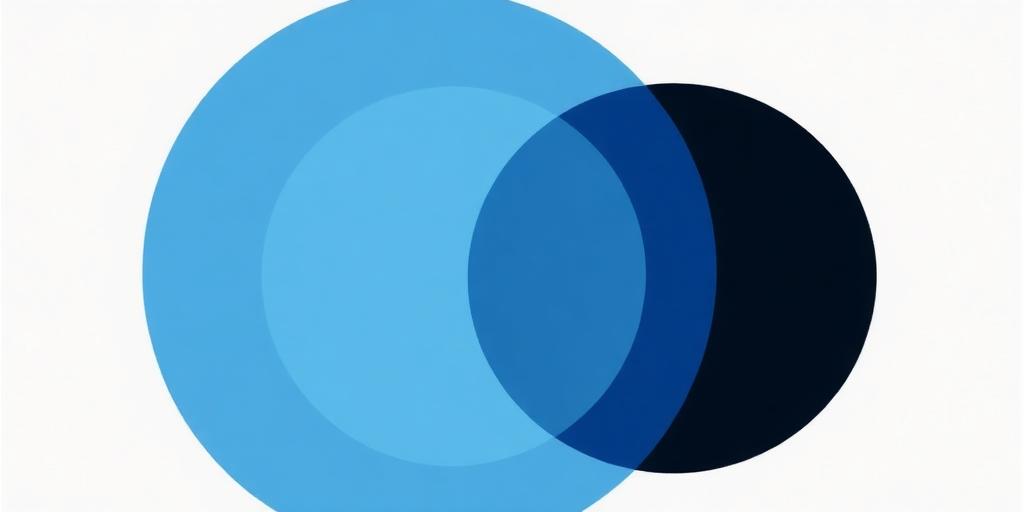
The Deep Web is vast, estimated to be 400 to 500 times larger than the surface web. It hosts over 200,000 websites that standard search engines cannot access, containing around 7,500 terabytes of data. This immense size underscores its importance, as it offers essential services across various industries that prioritize confidentiality and security. In contrast, the Dark Web is much smaller, making up about 5% of the total internet. Its exact size is hard to measure due to its hidden nature. While the Dark Web has a limited scope, it draws attention for its cultural impact, often portrayed in media as a realm of mystery and danger. The significant size difference between the Deep Web and Dark Web highlights the former’s role in legitimate activities, whereas the latter’s small scale reflects its niche usage and the risks it entails.
| Aspect | Deep Web | Dark Web |
|---|---|---|
| Size Comparison | 400-500 times larger than the surface web, containing over 200,000 websites and around 7,500 terabytes of data. | Constitutes about 5% of the entire internet, with its exact size difficult to measure due to its hidden nature. |
| Accessibility | Accessible with proper credentials, typically through standard browsers. | Requires special software like Tor to access; users need specific knowledge to navigate. |
| Content | Includes databases, private accounts, and secure intranets, supporting legitimate activities. | Known for illegal activities, such as drug trafficking, weapon sales, and the exchange of stolen data. |
| Security | Generally secure if users practice good cybersecurity hygiene. | Inherently risky with high potential for scams, malware, and legal repercussions. |
5. Accessing the Deep Web vs Dark Web
Accessing the Deep Web is typically straightforward for most users. You can use a standard web browser to log into secure sites by entering your username and password. This is common for things like checking your email or accessing your bank account. On the other hand, the Dark Web requires a different approach. To explore this hidden part of the internet, you need special software, like the Tor browser, which anonymizes your online activities. Users cannot simply stumble upon Dark Web content; they often need specific URLs that are not advertised widely. While navigating the Deep Web is generally considered safe if users follow security guidelines, the Dark Web presents numerous risks. Here, users can encounter illegal content, scams, and malware, making caution essential. In summary, the tools and knowledge required to access these two areas of the internet differ greatly, reflecting their contrasting purposes.
6. Applications of the Deep Web
The Deep Web is essential for various legitimate applications that significantly impact our daily lives. For instance, online banking systems rely on the Deep Web to secure financial transactions, ensuring that personal and sensitive data remains confidential. Medical records and patient information are often stored in this hidden layer of the internet, providing healthcare professionals with secure access to vital information while protecting patient privacy. Furthermore, academic research databases house a wealth of journals and scholarly articles, enabling students and researchers to conduct thorough studies without the distractions of the surface web.
Corporate intranets also exist within the Deep Web, safeguarding sensitive business information from unauthorized access. Subscription services, like popular streaming platforms, operate behind paywalls, allowing users to enjoy content while maintaining their privacy. Additionally, secure communication tools are crucial for businesses, enabling them to exchange information safely away from prying eyes.
Government databases provide citizens with access to important resources, including public records and legal information, all within the Deep Web’s protective environment. Educational institutions often utilize this space for student services, offering resources and support through secure portals. Lastly, private forums and networks facilitate professionals in various fields to share information securely, promoting collaboration without exposing their discussions to the public. Overall, the Deep Web plays a vital role in maintaining privacy and confidentiality across numerous domains.
7. Activities on the Dark Web
The Dark Web is infamous for a variety of illegal activities that exploit its anonymity. One of the most notable is the sale and trafficking of illegal drugs, where users can find a range of substances easily. Hacking services are also a common sight, with forums dedicated to sharing techniques and offering tools for those looking to breach security systems. Additionally, stolen data, including credit card information and personal identities, is frequently traded, creating a thriving market for cybercriminals.
Weapons sales are another dark aspect of this hidden part of the internet, with certain marketplaces offering illegal firearms and other weapons. Sex trafficking and exploitation are serious concerns as well, with the Dark Web providing a platform for such heinous activities to flourish. Despite the risks, some individuals turn to the Dark Web for legitimate reasons, such as whistleblowing, to share sensitive information without fear of repercussion. Moreover, counterfeit goods are prevalent, adding to the range of illicit transactions.
While the Dark Web is often associated with criminality, it also serves as a space for individuals to discuss controversial issues freely, away from the watchful eyes of authorities. This mix of activities makes the Dark Web a complex and dangerous environment, where the line between legality and illegality is often blurred.
- The Dark Web is notorious for illegal drug sales and trafficking.
- Hacking services are often advertised and exchanged on Dark Web forums.
- Stolen data, including credit cards and personal information, is frequently sold.
- Illegal firearms and weapons can be found on certain Dark Web marketplaces.
- The Dark Web hosts forums for discussing hacking techniques and tools.
- Sex trafficking and exploitation are serious issues associated with the Dark Web.
- Anonymity on the Dark Web attracts users seeking to conduct illegal activities.
- Some users leverage the Dark Web for whistleblowing and sharing sensitive information safely.
- The presence of counterfeit goods is also notable in Dark Web transactions.
- Despite its risks, some utilize the Dark Web to discuss controversial issues freely.
8. Security Aspects of the Deep Web
The Deep Web can be a secure environment if users adopt good cybersecurity practices. Strong passwords and two-factor authentication are essential tools for protecting accounts from unauthorized access. Users should also be cautious when sharing sensitive information online, as cybercriminals actively target Deep Web sites. Many businesses invest significantly in security measures to safeguard Deep Web data, employing encryption to secure communications and transactions. Regular updates to software and systems are vital for maintaining security, as outdated software can be a gateway for attacks. Awareness of phishing attempts and scams is crucial for anyone navigating the Deep Web. User education on cybersecurity can help mitigate risks, empowering individuals to recognize threats and respond effectively. Additionally, monitoring for data breaches is an important practice to ensure ongoing security and protect personal information.
9. Risks of the Dark Web
The Dark Web poses numerous risks that can have serious consequences for users. First and foremost, it is rife with scams and fraudulent activities, making it easy for unsuspecting visitors to fall victim to deceitful operations. As users explore this hidden part of the internet, they may inadvertently download malware or viruses that can compromise their devices and personal information. Furthermore, the exposure to illegal content can lead to legal repercussions, with law enforcement agencies actively monitoring the Dark Web, increasing the risk of arrest for those engaging in illicit activities. The anonymity that the Dark Web provides can also foster dangerous behavior, encouraging users to partake in illegal transactions or actions that they might not consider in a more public setting.
Individuals who venture into the Dark Web may find their personal information at risk, as hackers and cybercriminals often lurk in these spaces, ready to steal sensitive data or engage in identity theft. Additionally, transactions conducted on the Dark Web frequently lack consumer protections, which can lead to significant financial losses. Users can become targets for extortion, especially if their identity is revealed or if they are perceived as having valuable assets. Engaging in illegal activities can have long-lasting impacts on one’s life, affecting future opportunities and personal relationships. Lastly, the overall atmosphere of the Dark Web is unpredictable and often hostile, making it a perilous environment for even the most cautious explorers.
Frequently Asked Questions
What is the Deep Web, and how is it different from the Dark Web?
The Deep Web includes parts of the internet that aren’t indexed by search engines, like private databases, medical records, and academic resources. The Dark Web is a smaller section of the Deep Web that requires special software to access, often associated with illegal activities.
Can I access the Deep Web safely?
Yes, you can access the Deep Web safely since most content there is legitimate and harmless. Just be careful about where you go and avoid sharing personal information.
Why do people use the Dark Web?
People use the Dark Web for various reasons, including privacy and anonymity, accessing restricted information, or engaging in illegal activities.
Is everything on the Dark Web illegal?
Not everything on the Dark Web is illegal. While it hosts illegal marketplaces and other shady content, it also provides a space for free speech and privacy, especially in areas with heavy censorship.
How can I navigate both the Deep Web and Dark Web?
To navigate the Deep Web, you can use specific databases or websites that provide access to non-indexed content. For the Dark Web, you often need special tools like Tor, but make sure to take precautions to protect your identity and security.
TL;DR This blog post compares the Deep Web and Dark Web, highlighting their definitions and key differences. The Deep Web includes vast amounts of legitimate content that isn’t indexed by search engines, requiring credentials for access. In contrast, the Dark Web is a hidden segment of the Deep Web known for illegal activities, accessible only through specific software like Tor. While the Deep Web is significantly larger and used for things like banking and research, the Dark Web’s size is much smaller and associated with anonymity and crime. Overall, both areas differ greatly in scope, applications, security, and risks.