
Exploring the dark web in 2025 requires caution due to its unique structure. The surface web represents only a small portion of the internet, while the deep web and dark web conceal much more. Those venturing into this hidden space must be aware of significant risks like malware infections, identity theft, and potential legal issues. To navigate safely, it’s crucial to establish clear objectives before diving in. Using tools like Tor Browser and protective measures such as VPNs can significantly enhance user security. Staying informed about emerging trends is also vital for individuals and organizations alike who wish to explore carefully without compromising safety.
Table of Contents
- Understanding the Dark Web
- Risks of Accessing the Dark Web
- How to Access the Dark Web Safely
- Recommended Tools for Safe Browsing
- Best Practices for Staying Safe in 2025
- Dark Web Monitoring for Businesses
- Emerging Trends
- Frequently Asked Questions
1. Understanding the Dark Web

The dark web is a part of the internet that isn’t indexed by traditional search engines like Google. This hidden segment, which makes up about 5-6% of the internet, requires special software, such as Tor, to access. The primary purpose of the dark web is to provide a platform for anonymity. This feature allows users to communicate and share information without fear of surveillance, making it a refuge for whistleblowers, political activists, and those seeking privacy in oppressive regimes.
Many people mistakenly associate the dark web solely with illegal activities, but this isn’t the whole story. While it does host a range of illicit goods and services, it also serves legitimate purposes. For example, journalists working in repressive countries often use the dark web to protect their sources and publish sensitive information without risking their safety. This dual nature highlights the importance of understanding the distinction between illegal and legitimate activities conducted on the dark web.
The role of cryptography is crucial here; encryption techniques help ensure secure communication. Websites on the dark web often use .onion domains, which are specially formatted URLs accessible only through the Tor network. The dark web’s origins can be traced back to government and academic projects aimed at creating secure channels for communication.
User demographics vary widely, including privacy advocates, journalists, and, unfortunately, criminals. As technology evolves, so too does the dark web. Speculations about its future suggest it may adapt to new security measures and threats, continuing to foster both positive and negative uses.
2. Risks of Accessing the Dark Web
Accessing the dark web carries significant risks that can impact both individuals and organizations. One major concern is exposure to illegal content, where users may inadvertently stumble upon disturbing or illicit materials. This can lead to psychological effects, causing distress or anxiety. Additionally, the anonymity that the dark web offers can attract cybercriminals who are eager to exploit vulnerabilities, increasing the likelihood of targeted attacks.
Furthermore, the dark web is rife with scams, with many markets being fraudulent. Users might find themselves losing money or having their personal data compromised. Identity theft is another prevalent danger, as stolen credentials are often traded on these hidden marketplaces. Financial fraud is also a real threat, with credit card numbers and banking information readily available for purchase.
Legal ramifications pose another risk, as law enforcement agencies monitor dark web activities. Engaging with illegal content can lead to serious consequences, including compliance violations. Moreover, the unregulated nature of the dark web creates unpredictable risks, where users can easily encounter malware infections from untrustworthy sites, risking the compromise of their devices.
Lastly, businesses face the potential for reputation damage if their data is found on the dark web. This can lead to loss of customer trust and significant financial repercussions. Therefore, it is essential for anyone considering accessing the dark web to be aware of these risks and take appropriate precautions.
3. How to Access the Dark Web Safely
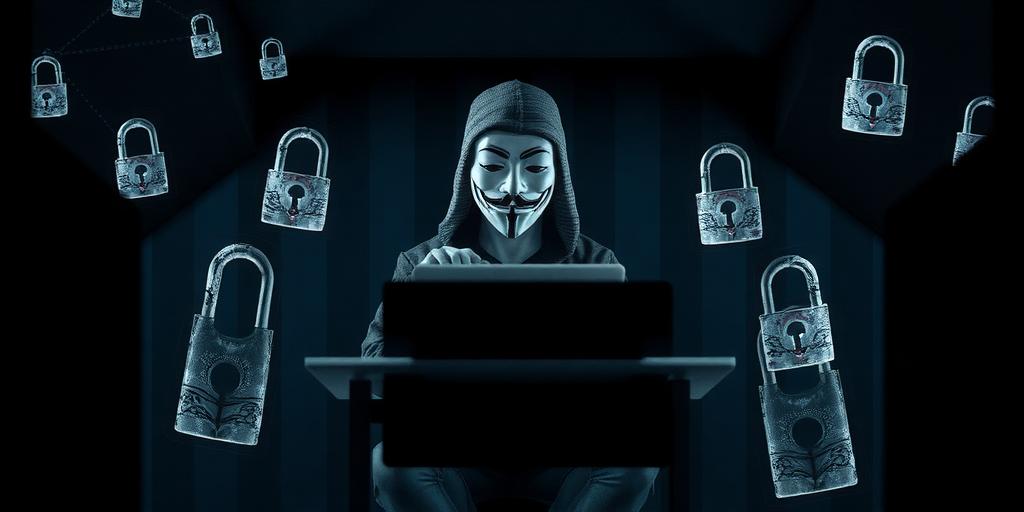
Accessing the dark web safely requires careful preparation. Start by using a secure device, ideally one that doesn’t store any sensitive information. This can help protect your personal data in case of an attack. When creating accounts or interacting with others, avoid using real names or any identifiable information. Anonymity is crucial. Additionally, disable scripts and turn off JavaScript in your browser settings, as this can minimize the risk of exposure to malicious content.
Be cautious with the links you click on. Only visit sites that come from trusted sources to avoid stumbling upon harmful content. When engaging in forums or discussions, limit the personal data you share. It’s best not to reveal any identifiable information. To maintain privacy during conversations about sensitive topics, consider using encrypted communication tools like Signal.
Keep your software updated regularly, as outdated systems can have vulnerabilities that attackers exploit. Use strong, complex passwords for any accounts you create, enhancing your security further. Avoid downloading files unless it is absolutely necessary, as these can often contain viruses or other harmful software. Finally, stay informed about the latest trends and security practices related to the dark web to ensure you are always protecting yourself effectively.
- Use a secure device: Preferably a dedicated device that doesn’t store sensitive information.
- Stay anonymous: Avoid using real names or identifiable information when registering for services.
- Disable scripts: Turn off JavaScript in your browser for added security while browsing.
- Be cautious with links: Only click on links from trusted sources to avoid malicious sites.
- Limit personal data: Do not share personal information when engaging on dark web forums.
- Use encrypted communication: Tools like Signal can help maintain privacy when discussing sensitive topics.
- Regularly update software: Ensure your operating system and applications are current to protect against vulnerabilities.
- Utilize strong passwords: Use complex passwords for accounts to enhance security.
- Avoid downloading files: Avoid file downloads unless absolutely necessary, as they may contain viruses.
- Stay informed: Keep up with the latest security practices and dark web trends.
4. Recommended Tools for Safe Browsing
To navigate the dark web securely, several tools can significantly enhance your safety and anonymity. First, a VPN (Virtual Private Network) is essential, as it encrypts your online activities and masks your IP address, providing a protective layer against surveillance. The Tor Browser is the primary gateway for accessing the dark web; it is designed specifically to keep your identity hidden by routing your connection through multiple servers. For those looking for an extra level of protection, Tails OS can be run from a USB stick, ensuring that no traces of your activities are left on the host computer.
When it comes to communication, using secure email providers like ProtonMail is advisable, as they offer end-to-end encryption. Additionally, password managers such as LastPass help you create and store strong, unique passwords for different accounts, reducing the risk of credential theft. Blockchain technologies are also gaining traction, providing secure, anonymous transactions on certain platforms.
For messaging, opt for secure chat applications like Signal or Telegram, which offer encrypted communications, making them safer choices for conversations on dark web platforms. Utilizing virtual machines can further isolate your browsing environment from your main operating system, adding another layer of security.
Don’t overlook the importance of antivirus software; trusted programs can help detect and prevent malware, which is prevalent on dark web sites. Lastly, consider using dark web monitoring tools that alert you if your personal information appears in underground forums, helping you stay proactive about your online security.
5. Best Practices for Staying Safe in 2025
Staying safe while accessing the dark web requires a proactive approach. One key practice is to provide regular training for employees. Ongoing education about dark web risks and safe browsing habits keeps everyone informed and vigilant. It’s also important to have established incident response plans, ensuring that your organization knows exactly how to react if a dark web breach is suspected. Monitoring access is vital as well; keeping track of who accesses the dark web from company networks helps identify potential misuse or unauthorized activities.
Encouraging a culture of reporting can make a significant difference. Employees should feel comfortable reporting any suspicious behavior without fear of repercussions. Implementing two-factor authentication (2FA) wherever possible is another strong defense, adding an extra layer of security to sensitive accounts. Regular audits of security measures and practices help uncover weaknesses, allowing for timely adjustments.
Utilizing dark web intelligence can provide valuable insights into potential threats. By leveraging information from monitoring services, organizations can enhance their security strategies. Limiting access to the dark web is a practical measure; only those who genuinely need it for their job functions should have permission. Data loss prevention tools are essential as well, preventing sensitive information from being shared improperly.
Finally, staying updated on regulations regarding dark web activities and data privacy is crucial. As laws evolve, organizations must adapt to ensure compliance and protect their operations.
6. Dark Web Monitoring for Businesses
For businesses, dark web monitoring is essential to protect sensitive data and maintain trust. Automated scanning tools can continuously search underground forums and marketplaces for any leaked credentials related to your company. Setting up alerts ensures that your IT team is notified immediately if sensitive information is found online, allowing for a swift response to potential breaches. Regular reporting helps you understand the findings and identify vulnerabilities, enabling you to strengthen your defenses.
Collaboration with cybersecurity firms that specialize in dark web monitoring can enhance your strategy. These experts can provide insights and recommendations tailored to your specific risks. Additionally, participating in threat intelligence sharing within industry groups can help you stay informed about emerging dark web trends and threats.
Evaluating the security measures of third-party vendors is also crucial, as their exposure can put your organization at risk. Incorporating findings from dark web monitoring into your overall security policies ensures that your defenses are proactive rather than reactive. Educating staff about how to effectively use these monitoring tools is vital, as informed employees can better help mitigate risks. Moreover, investing in incident response capabilities prepares your organization to act quickly if sensitive data is discovered on the dark web. Finally, reviewing compliance requirements ensures that your monitoring practices align with legal standards, protecting both your business and your customers.
7. Emerging Trends
The dark web is experiencing several notable trends that are shaping its landscape. One significant trend is the increased use of cryptocurrencies for transactions. As anonymity becomes more crucial for users, digital currencies like Bitcoin and Monero are gaining traction, making it easier to conduct transactions without revealing personal identities.
Another emerging trend is the adoption of artificial intelligence in cybercrime. Cybercriminals are developing sophisticated AI tools that can automate attacks, making them more efficient and harder to detect. This rise in AI-driven cyber threats emphasizes the need for enhanced security measures.
Additionally, decentralized platforms are growing in popularity. Technologies such as blockchain are enabling new forms of dark web marketplaces, which are harder to shut down and regulate. This shift could lead to an increase in both legitimate and illegal activities in these decentralized environments.
Privacy technologies are also on the rise, as more users seek ways to protect their identities. Tools that enhance user privacy are becoming more commonplace, reflecting a growing demand for digital privacy.
In response to these developments, organizations are focusing on cybersecurity resilience. They are adopting stronger measures to prepare against potential dark web threats, recognizing that the risks are evolving.
Regulatory developments are also noteworthy, with governments beginning to implement stricter regulations concerning dark web activities. This shift aims to combat illegal practices while balancing the need for privacy.
Public awareness is increasing, too. More individuals are becoming educated about the risks associated with the dark web, leading to more cautious behavior.
Moreover, global cooperation among law enforcement agencies is growing to effectively combat dark web crime. Collaborative efforts are becoming essential in addressing the complex challenges presented by this hidden part of the internet.
Finally, there is a noticeable shift in user demographics. New groups, including activists and individuals seeking free speech, are exploring the dark web for legitimate reasons, indicating a broader range of interests and activities taking place.
Frequently Asked Questions
What is the dark web and how is it different from the regular web?
The dark web is a part of the internet that isn’t indexed by search engines, making it harder to access. Unlike the regular web, where most websites are visible and easy to find, the dark web requires special tools to explore and is often associated with anonymity.
What tools do I need to access the dark web safely?
To access the dark web, you typically need a specialized browser like Tor. This browser helps keep your identity hidden by routing your connection through several servers. Other tools include VPNs for extra privacy, and security software to protect against threats.
Is it legal to browse the dark web?
Yes, browsing the dark web is legal in many places; however, the legality can change based on what you do there. Accessing illegal content or engaging in illegal activities is against the law, so it’s important to be cautious.
What are some safety tips for navigating the dark web?
When exploring the dark web, always use a VPN and the Tor browser. Avoid sharing personal information, be wary of downloads, and stick to well-known sites to minimize risks.
Can I get into trouble for visiting dark web sites?
Simply visiting dark web sites generally doesn’t lead to trouble, but if you access or download illegal content, then yes, you could face legal consequences. Always be aware of the laws in your area.
TL;DR Exploring the dark web requires understanding its structure: the surface web, deep web, and dark web itself. There are significant risks, including malware, identity theft, and legal issues, making safety a priority. To access it safely, users should define their purpose, use a VPN, and browse with tools like the Tor Browser and specialized search engines. Best practices for 2025 involve using strong endpoint security, isolating research environments, and educating employees on risks. Businesses should monitor the dark web for leaked credentials and adapt security strategies in response to emerging trends like AI-driven cyberattacks.