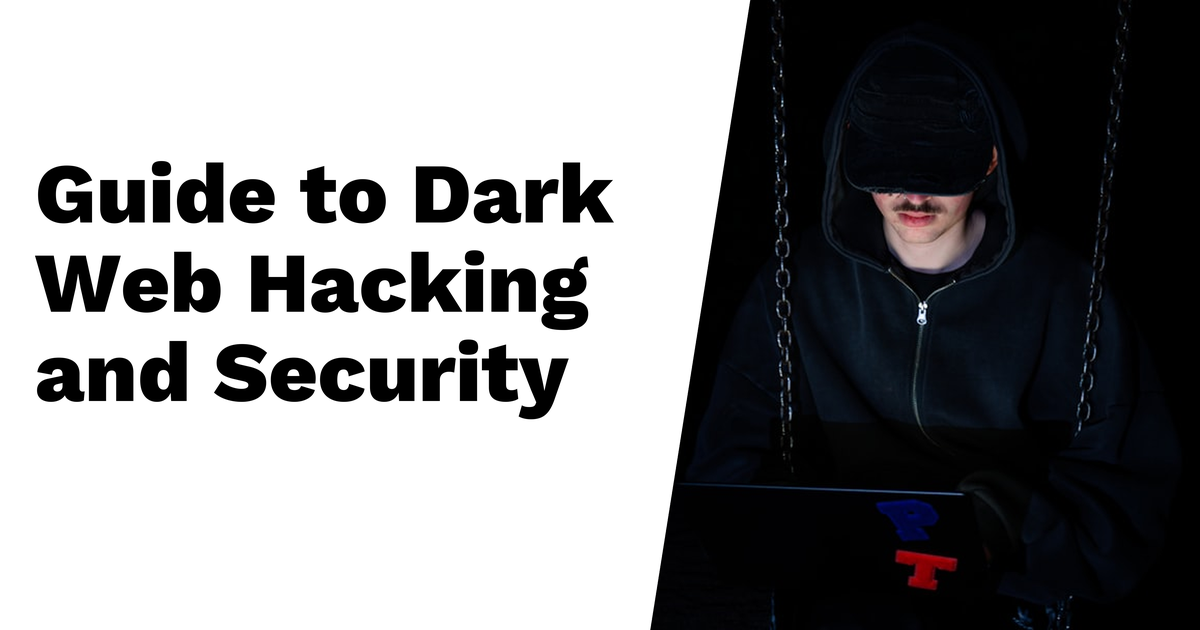
Understanding the Dark Web is crucial for anyone interested in cybersecurity. This hidden part of the internet, only accessible with tools like Tor, houses both risky and legitimate activities. While it may seem sinister, some users rely on it for privacy and free speech. Threats loom large here, as cybercriminals thrive by selling stolen data and malware. Organizations must strengthen their defenses against common issues like data breaches and ransomware by employing ethical hacking techniques that expose vulnerabilities. Moreover, regular updates and user education play vital roles in maintaining security amidst these challenges in such a complex landscape of opportunity and risk.
Table of Contents
- Understanding the Dark Web
- Key Characteristics of the Dark Web
- Cybersecurity Implications of the Dark Web
- Common Cybersecurity Threats from the Dark Web
- The Role of Ethical Hacking
- Best Practices for Cybersecurity
- Navigating the Dark Web
- The Dark Web: Risks and Opportunities
- Frequently Asked Questions
1. Understanding the Dark Web
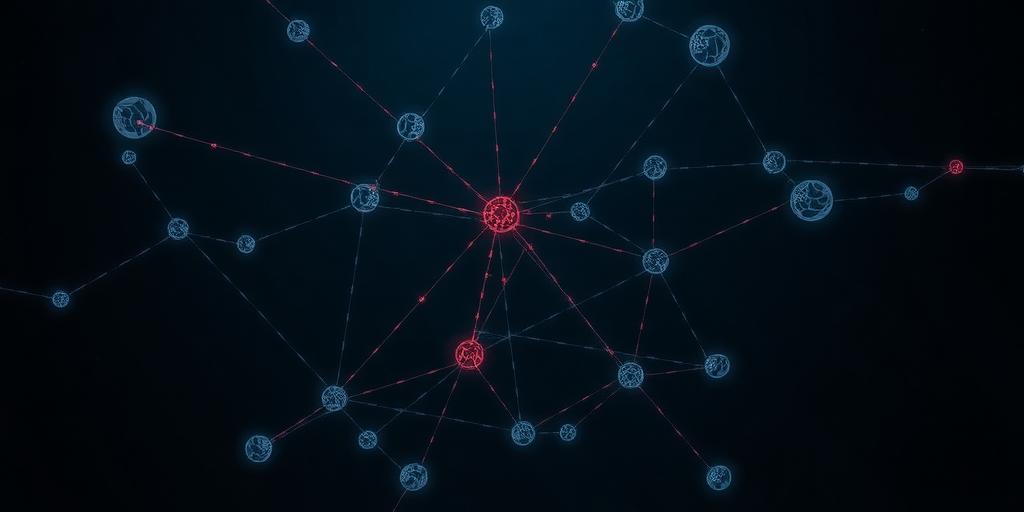
The Dark Web is a hidden part of the internet that requires specific software, mainly Tor, to access. This space is not indexed by traditional search engines, making it less visible and more complex to navigate. Users on the Dark Web can range from activists and journalists seeking anonymity to cybercriminals engaging in illegal activities. While it does provide platforms for illicit trade, such as illegal drugs and hacking services, it also serves as a refuge for whistleblowers and those wanting to express themselves freely in oppressive regimes. The content is often encrypted, making it difficult for the general public to access. It’s important to note that not all activities on the Dark Web are illegal; many users are simply looking to protect their privacy. However, the anonymity it provides can mislead users into believing they are entirely safe, exposing them to various risks, including scams and malicious content. Additionally, because the Dark Web operates without official oversight, users must exercise caution, as engaging in illegal activities can have serious legal consequences.
2. Key Characteristics of the Dark Web
The Dark Web is distinguished by its heightened anonymity, allowing users to conceal their identities and locations through advanced encryption and routing techniques. Access is typically granted via specialized browsers like Tor, which mask user activity from both surveillance and tracking. This layer of privacy promotes a culture where encrypted communications thrive, appealing to both privacy advocates and those engaging in illegal activities. Marketplace dynamics on the Dark Web often reflect traditional economic principles, such as supply and demand, making it a unique ecosystem where goods and services are traded under the veil of anonymity.
However, this lack of accountability can lead to exploitation, as users often engage in activities that are illegal or unethical. Content on the Dark Web is often transient; sites may frequently change addresses or disappear entirely, creating an unpredictable browsing experience. Some areas of the Dark Web require invitations or referrals, fostering an exclusive environment that can make information harder to access.
The use of cryptocurrencies facilitates these transactions, enhancing anonymity and complicating the tracking of illegal activities. Community forums on the Dark Web can offer valuable discussions about cybersecurity and privacy, but users must be cautious, as misinformation is also prevalent. Critical thinking becomes essential in navigating this complex and often murky landscape.
3. Cybersecurity Implications of the Dark Web
The Dark Web significantly influences the cybersecurity landscape. Cybersecurity professionals often monitor this hidden part of the internet to gather intelligence on potential threats to their organizations. For instance, the sale of hacking tools and services on the Dark Web empowers less skilled criminals, enabling them to launch attacks that might have required more expertise in the past. This shift means that even low-level threats can pose serious risks to organizations.
Moreover, data breaches frequently lead to sensitive information being sold on Dark Web marketplaces. This not only puts affected individuals at risk of identity theft but also creates challenges for organizations that must navigate the aftermath of such leaks. Consequently, organizations face increased pressure to monitor their data exposure on the Dark Web and respond effectively to mitigate risks.
Emerging threats are often discussed in Dark Web forums, revealing trends in cybercrime that cybersecurity teams need to understand. By keeping an eye on these conversations, they can adapt their strategies to counteract evolving threats. The Dark Web also serves as a marketplace for services like DDoS attacks and phishing kits, making it crucial for organizations to enhance their defenses based on this intelligence.
Understanding the dynamics of the Dark Web can help cybersecurity professionals anticipate attacks more effectively. Collaboration between law enforcement and cybersecurity experts is essential in addressing these threats, as proactive measures can significantly diminish the risks posed by the activities taking place in this shadowy part of the internet.
4. Common Cybersecurity Threats from the Dark Web
The Dark Web is a marketplace for various cybersecurity threats that pose significant risks to individuals and organizations. One of the most alarming issues is the trade of stolen credit card information, which frequently occurs. This leads to identity theft, where criminals can easily impersonate victims to commit fraud. Additionally, ransomware kits are commonly available, providing cybercriminals with the tools necessary to hold data hostage until a ransom is paid.
Phishing schemes have also evolved dramatically, with the Dark Web offering kits that automate the process of deceiving users into revealing personal information. This makes it easier for even less skilled hackers to launch attacks. Furthermore, zero-day exploits, vulnerabilities that have not yet been patched, can be purchased on the Dark Web, creating a significant risk for unprepared organizations that may not be aware of these weaknesses.
Another concerning trend is the rise of Malware-as-a-Service, which allows novice hackers to access advanced attack tools without needing extensive technical knowledge. This democratization of hacking tools contributes to a surge in cyberattacks. The trade of personal information can lead to targeted attacks against individuals or companies, increasing the potential for serious breaches.
Doxxing, which involves the public release of private information, is also a prevalent threat sourced from Dark Web activities, complicating the efforts of cybersecurity professionals. Moreover, cybercriminals frequently share knowledge and techniques on the Dark Web, leading to the development of more sophisticated attack methods. To combat these threats, organizations must remain vigilant and proactive in identifying and mitigating risks that can stem from Dark Web activities.
| Threat Type | Description | Impact |
|---|---|---|
| Stolen Credit Card Information | Frequently traded on the Dark Web, leading to identity theft and financial fraud. | Major concern for individuals and organizations. |
| Ransomware Kits | Sold on the Dark Web, allowing criminals to hold data hostage. | Can disrupt operations and lead to substantial financial loss. |
| Phishing Schemes | Kits available that automate the process of deceiving users into revealing personal information. | Increase in successful attacks targeting unsuspecting individuals. |
| Zero-Day Exploits | Unpatched vulnerabilities found and sold on the Dark Web. | Significant risk for organizations until a fix is implemented. |
| Malware-as-a-Service | Access to malicious software for even novice hackers, making attacks more accessible. | Raises the number of potential cyber threats against various targets. |
| Trade of Personal Information | Personal data sold on the Dark Web can lead to targeted attacks. | Increases risks for both individuals and organizations. |
| Doxxing | Release of private information sourced from Dark Web activities. | Can lead to harassment, stalking, or other security threats. |
| Fake Identities and Profiles | Created using stolen data, complicating online security enforcement. | Challenges for law enforcement and cybersecurity measures. |
| Knowledge Sharing by Cybercriminals | Techniques and strategies discussed openly, leading to sophisticated attacks. | Can increase the overall threat level in cybersecurity. |
| Lack of Vigilance | Organizations must identify and proactively address emerging threats. | Failure to do so can result in severe consequences. |
5. The Role of Ethical Hacking
Ethical hacking is a crucial aspect of cybersecurity, involving authorized activities to probe systems and discover vulnerabilities. By doing so, ethical hackers help organizations enhance their defenses. They employ various techniques, including social engineering, which tests how well staff can recognize and resist manipulation attempts. Many ethical hackers focus on specific areas, like network security, application security, or even the security of Internet of Things (IoT) devices.
Their work provides organizations with valuable insights, leading to detailed reports that clarify the current security posture. This proactive approach not only identifies weaknesses but also prepares companies for real-world attack scenarios by simulating potential threats. With the rise of cyber threats and the increasing complexity of network security, the role of ethical hackers has become even more significant.
Organizations often integrate ethical hackers into their cybersecurity teams, creating a continuous security strategy that evolves with emerging threats. Certifications like the Certified Ethical Hacker (CEH) play a vital role in validating their skills and enhancing their credibility in the field. Furthermore, ethical hackers frequently collaborate with law enforcement agencies, using their expertise to track down cybercriminals and contribute to public safety. As technology advances and new threats emerge, ongoing education and training for ethical hackers remain essential.
6. Best Practices for Cybersecurity
Implementing best practices for cybersecurity is essential for protecting sensitive information and ensuring organizational resilience against threats. One of the most effective measures is multi-factor authentication, which significantly enhances security by requiring multiple forms of verification before granting access. Regularly backing up data is another critical practice, as it allows organizations to recover swiftly from ransomware attacks or data losses, minimizing downtime and impact.
Conducting security audits helps identify vulnerabilities within systems and applications, allowing for timely remediation before attackers can exploit these weaknesses. Establishing a clear incident response plan prepares organizations to act quickly and effectively in the event of a cybersecurity breach, ensuring that potential damage is contained and mitigated.
Encouraging strong password policies, which emphasize complexity and regular changes, reduces the risk of unauthorized access. Additionally, employing encryption for sensitive data both at rest and in transit protects it from potential breaches, making it significantly harder for cybercriminals to access critical information.
Creating a culture of cybersecurity awareness among employees can significantly reduce incidents related to human error. Regular training and workshops keep staff updated on the latest cybersecurity trends and tactics used by attackers, enabling them to recognize potential threats. Utilizing threat intelligence can also aid organizations in staying informed about emerging risks and vulnerabilities, allowing for proactive defense measures.
Engaging with cybersecurity communities and forums provides organizations with additional insights and resources, further bolstering their defenses against the ever-evolving landscape of cyber threats.
- Implementing multi-factor authentication significantly enhances security by requiring multiple forms of verification.
- Regularly backing up data ensures that organizations can recover quickly from ransomware attacks or data losses.
- Conducting security audits helps identify vulnerabilities within systems and applications, allowing for timely remediation.
- Establishing a clear incident response plan prepares organizations to act swiftly in the event of a cybersecurity breach.
- Encouraging strong password policies, including complexity and regular changes, reduces the risk of unauthorized access.
- Employing encryption for sensitive data both at rest and in transit protects it from potential breaches.
- Creating a culture of cybersecurity awareness among employees can significantly reduce human error-related incidents.
7. Navigating the Dark Web
To navigate the Dark Web effectively, using a specialized browser like Tor is essential. This software allows users to access hidden sites while maintaining anonymity. However, the lack of centralized directories means that finding reliable resources can be challenging. It’s crucial to establish a secure and anonymous identity to protect personal information while exploring. Utilizing a VPN in conjunction with Tor can further enhance security, adding an extra layer to your online privacy. When browsing, be cautious of links and downloads from unknown sources, as these can lead to malicious content or scams.
Understanding the different types of sites available on the Dark Web can also improve your navigation skills. For instance, some forums and marketplaces have user ratings and reviews, which can help assess the reliability of a source before engaging in any transactions. Scams are prevalent in these spaces, so exercising extreme caution is necessary to avoid financial loss. Additionally, it is important to stay informed about the latest developments and threats, as this knowledge can aid in safer navigation. Lastly, users must be aware of the legal implications of their actions on the Dark Web to avoid potential prosecution.
8. The Dark Web: Risks and Opportunities
The Dark Web is a double-edged sword, presenting both risks and opportunities. On one hand, it exposes users to illegal activities, scams, and malware attacks. Many visitors are lured into the marketplace for illicit goods, where cybercriminals thrive and contribute to an ever-evolving threat landscape. This environment can make users vulnerable to data breaches, identity theft, and financial fraud. On the other hand, the Dark Web offers unique opportunities for privacy and secure communication. Activists and journalists often rely on it to share sensitive information without fear of censorship or retaliation, showcasing its potential for positive use. Cybersecurity professionals can also harness information from the Dark Web to anticipate and defend against emerging threats, making it a valuable resource for enhancing security measures. Understanding the motivations and behaviors of users in this hidden realm is crucial for researchers and security experts in developing effective strategies. Some technologies originating from the Dark Web may even lead to innovation that benefits legitimate purposes. However, engaging with this complex environment requires careful risk assessment and ethical considerations to navigate safely.
Frequently Asked Questions
What is the dark web and how is it different from the regular internet?
The dark web is a part of the internet that is not indexed by search engines, making it harder to access. It’s different from the regular internet because you need special software, like Tor, to get to it, which helps keep your identity hidden.
Can you really find hacking services on the dark web?
Yes, the dark web has many illegal services, including hacking. People can find tools or hire hackers to perform various tasks, but these activities are against the law and unsafe.
What are the risks of exploring the dark web?
Exploring the dark web can be risky because you might accidentally access illegal content or encounter cybercriminals. There’s also a chance of getting hacked or having your personal information stolen.
How can I protect myself while browsing the dark web?
To protect yourself, use a VPN, avoid sharing personal information, and only visit trusted sites. It’s also a good idea to have strong security software installed on your device.
Why is cybersecurity important when discussing the dark web?
Cybersecurity is crucial because it helps protect you from threats that can come from the dark web, like malware, data breaches, and identity theft. Good cybersecurity practices ensure that your information stays safe.
TL;DR The Dark Web is a hidden part of the internet that requires special software like Tor to access. It’s characterized by its anonymity and unregulated nature, attracting both legitimate users and cybercriminals. Cybersecurity professionals must understand the threats emerging from this space, including data breaches, malware, and phishing kits. Ethical hacking plays a crucial role in identifying vulnerabilities and enhancing security. Best practices involve secure coding, regular updates, and user education. Organizations can use monitoring services to stay informed without the risks of exploring the Dark Web themselves.