As we look toward 2025, the dark web presents significant cybersecurity threats that demand attention. Attackers are leveraging AI to create advanced phishing techniques and exploit vulnerabilities at an alarming rate. Credential theft remains prevalent, with a staggering 311 million stolen accounts already circulating on dark web forums. Ransomware tactics are evolving; while overall incidents may be declining, the rise of multiple extortion methods poses new challenges. Organizations need to prioritize enhanced monitoring and adaptive authentication strategies to counteract these risks effectively. Collaboration between fraud prevention and cybersecurity teams is essential as the threat landscape continues to change rapidly and become more complex.
Table of Contents
- General Trends in Dark Web Cybersecurity
- AI Utilization by Attackers
- Rise of Credential Theft
- Evolution of Ransomware
- Specific Threats to Monitor
- Account Takeover Attacks
- Phishing Campaigns and Techniques
- Malware-as-a-Service Growth
- Emerging Techniques in Cybercrime
- Cloud Services Used by Criminals
- Obfuscation Techniques in Malware
- Sector-Specific Cyber Threats
- Manufacturing and Cybersecurity Risks
- Finance and Insurance Threat Landscape
- Retail Sector Vulnerabilities
- Recommendations for Strengthening Cybersecurity
- Enhanced Monitoring Strategies
- Importance of Adaptive Authentication
- Collaboration for Effective Security
- Notable Statistics on Cyber Threats
- The Future of Cybersecurity in 2025
- Frequently Asked Questions
1. General Trends in Dark Web Cybersecurity
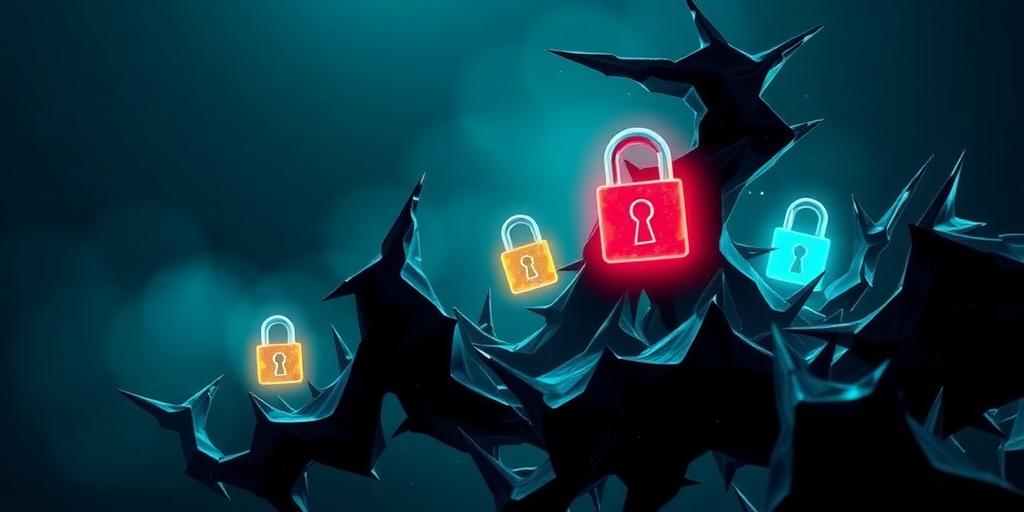
The dark web is experiencing significant changes that pose increased risks for cybersecurity. Attackers are now using artificial intelligence to streamline their operations, making it easier to launch sophisticated attacks. This includes generating highly convincing phishing emails that can easily deceive unsuspecting victims. Additionally, the dark web is overflowing with stolen credentials, which have become a prized asset for cybercriminals looking to conduct account takeovers or further exploit compromised information.
Ransomware has also taken a new direction, with many attackers employing tactics that involve stealing sensitive data before demanding ransom. This dual approach raises the stakes for victims, as data loss can often be more damaging than the ransom itself. Phishing methods are becoming more targeted and refined, often focusing on specific industries or demographics, which increases their success rate.
Cybercriminals are also leveraging social engineering techniques to enhance their attacks. By forming partnerships, threat actors can share tools and strategies, amplifying their capabilities. Emerging technologies, like deepfakes, are being incorporated into scams, making it even more difficult for individuals and organizations to discern what is real.
Furthermore, the use of advanced anonymity tools allows these criminals to operate with a reduced risk of detection, complicating law enforcement efforts. The dark web’s marketplace for illegal trade is expanding, significantly impacting multiple sectors. As these trends evolve, cybersecurity firms face mounting challenges to keep pace, making it crucial for organizations to stay informed and proactive in their defense strategies.
- Attackers are using AI to automate attacks and create more convincing phishing emails.
- The dark web is flooded with stolen credentials, making them a hot commodity for cybercriminals.
- Ransomware tactics are evolving, with attackers using data theft to demand more from victims.
- Phishing methods are becoming more sophisticated, targeting specific demographics and industries.
- Cybercriminals are leveraging social engineering techniques to increase the effectiveness of their attacks.
- Threat actors are forming partnerships to enhance their capabilities in executing cyberattacks.
- Emerging technologies like deepfakes are being used in scams and frauds.
2. AI Utilization by Attackers
Cybercriminals are increasingly turning to artificial intelligence to enhance their attack strategies. AI enables faster exploitation of vulnerabilities through automated scripts, allowing attackers to target systems with unprecedented speed. By analyzing large datasets, these malicious actors can identify potential targets and weaknesses, making their efforts more efficient.
Phishing schemes have also evolved, with machine learning algorithms refining tactics to create more convincing messages. For instance, attackers use natural language processing to craft highly personalized phishing emails that are harder for victims to recognize as scams. AI-driven chatbots are now common in these schemes, deceiving individuals into revealing sensitive information.
Moreover, sophisticated malware powered by deep learning techniques can evade detection by conventional security measures, presenting a significant challenge for defenders. As a result, even low-skilled criminals can launch sophisticated attacks using readily available AI tools. Predictive analytics is being utilized to stay one step ahead of security measures, allowing attackers to anticipate defenses and adjust their methods accordingly.
The rise of AI in cybercrime indicates a pressing need for cybersecurity measures to evolve. Organizations must adapt to counteract these AI-driven threats to protect their systems and data.
3. Rise of Credential Theft
Credential theft is becoming a significant concern as cybercriminals increasingly leverage advanced techniques to harvest sensitive information. In 2024, infostealer malware saw an astonishing 84% increase, highlighting the growing threat. Stolen credentials are often sold in bulk on dark web marketplaces, which allows many criminals easy access to compromised accounts. A common method for these attacks is phishing emails, which can appear legitimate, tricking users into providing their login details.
Credential stuffing attacks are also on the rise, where criminals use stolen credentials to gain access to multiple accounts across different platforms. Organizations are being targeted based on the value of their user data, with data breaches at major companies resulting in a flood of stolen credentials available on the dark web. Automated bots are now frequently employed to test these credentials, increasing the likelihood of successful account takeovers.
Complicating matters, two-factor authentication is sometimes bypassed, making these attacks even more effective. The shift to remote work has further exacerbated the issue, as employees access sensitive data from various locations, often unaware of the risks involved in sharing credentials across multiple platforms. This environment creates ample opportunities for credential theft, necessitating heightened awareness and stronger security measures.
4. Evolution of Ransomware
Ransomware has seen a complex evolution over the past few years. While the total number of ransomware incidents has decreased, the tactics employed by attackers have become more aggressive and sophisticated. Today, multiple extortion methods are commonplace, where cybercriminals not only encrypt data but also steal it, demanding ransom for both recovery and non-disclosure. This dual threat puts victims in a difficult position.
Ransomware-as-a-Service (RaaS) has further democratized cybercrime, allowing even those without technical skills to launch effective attacks. This trend has led to an alarming increase in targeted ransomware campaigns, particularly against critical infrastructure, which some groups now see as a strategic priority. For instance, recent attacks on hospitals and energy providers have raised concerns about the potential for widespread disruption.
Attackers often leverage leaked data to intensify pressure on their victims, with threats to publish sensitive information if ransoms are not paid swiftly. Cryptocurrency remains the preferred payment method, providing anonymity and making it harder for law enforcement to track payments. Negotiations for ransom settlements frequently occur through intermediaries to maintain the attackers’ anonymity, complicating efforts to bring these criminals to justice.
As ransomware continues to evolve, organizations must remain vigilant and adaptable, keeping cybersecurity measures up-to-date to combat these increasingly targeted threats.
5. Specific Threats to Monitor
Account Takeover (ATO) attacks are reaching new heights, with over 311 million stolen accounts available on dark web forums in 2025. This surge primarily targets retail brands, making it crucial for businesses to enhance their security measures. Phishing campaigns are also becoming more prevalent, with attackers using AI-generated content to craft convincing emails that can easily deceive unsuspecting victims. These emails often lead to fake login pages designed to harvest personal credentials.
Malware-as-a-Service (MaaS) is another alarming trend. This model allows even novice cybercriminals to access sophisticated tools for launching attacks, effectively lowering the barrier to entry for cybercrime. Additionally, emerging payment methods, particularly digital wallets and cryptocurrencies, are being exploited by criminals. They now target these platforms to facilitate their illegal activities.
Supply chain attacks are on the rise as well, with criminals increasingly targeting third-party vendors to infiltrate larger networks. Business Email Compromise (BEC) scams are evolving too; attackers are now posing as trusted executives to manipulate employees into revealing sensitive information or transferring funds.
Social media platforms have become hotbeds for identity theft and phishing schemes, with attackers leveraging these channels to gather personal information. Furthermore, mobile devices are increasingly targeted, with malware specifically designed for smartphones becoming more common. As remote work continues to be the norm, Remote Desktop Protocol (RDP) attacks are also rising. Vulnerable IoT devices provide new entry points for cybercriminals, making it vital for users to secure their home and office networks.
6. Account Takeover Attacks
Account takeover (ATO) attacks are increasingly concerning, with over 311 million stolen accounts listed in dark web forums. Retail brands are particularly vulnerable due to their high levels of customer interaction online, making them prime targets for cybercriminals. Attackers often employ credential stuffing and phishing methods to compromise accounts, taking advantage of users’ weak security practices. Once they gain access, these stolen accounts can be used for fraudulent purchases or sold on dark web marketplaces, leading to significant financial losses for victims.
The repercussions of ATO incidents are serious. Victims may suffer from identity theft, financial loss, and damage to their reputations. To combat these threats, organizations are urged to implement strong authentication measures, such as multi-factor authentication. Additionally, leveraging machine learning can help in detecting unusual login patterns that indicate potential ATO attempts. User education on secure password practices is also essential to reduce the incidence of these attacks. Organizations should monitor for unauthorized account access, as rapid response can mitigate damage. Collaborating with law enforcement can further aid in tracking down those behind these attacks, making it crucial for businesses to stay vigilant and proactive.
7. Phishing Campaigns and Techniques
As we look toward 2025, phishing campaigns are expected to evolve significantly, driven by advancements in technology and changing tactics among attackers. The volume of phishing emails has surged, with criminals utilizing sophisticated AI tools to craft messages that are increasingly difficult to distinguish from legitimate communications. These phishing emails often contain links that lead to fake login pages mimicking well-known sites, heightening the risk of credential theft.
Phishing is no longer confined to email alone; scammers are increasingly leveraging social media platforms to launch attacks. This shift broadens the scope of potential targets, making it essential for users to stay vigilant across various channels. Additionally, voice phishing, or vishing, is on the rise, where attackers impersonate trusted entities over the phone, creating a sense of urgency that can lead victims to divulge sensitive information.
The dark web facilitates these schemes by providing readily available phishing kits, allowing even inexperienced criminals to initiate their campaigns with ease. Targeted phishing, or spear phishing, is also gaining traction, as attackers focus on specific individuals or organizations, tailoring their messages for increased effectiveness. During periods of heightened stress, such as holidays, the prevalence of unsolicited emails spikes, making it crucial for recipients to approach such communications with caution.
Moreover, phishing campaigns often exploit current events or popular trends to entice victims, using urgency as a tactic to provoke quick responses. To combat this growing threat, organizations must invest in training employees to recognize phishing attempts, fostering a culture of awareness and vigilance.
8. Malware-as-a-Service Growth
The rise of Malware-as-a-Service (MaaS) is reshaping the landscape of cybercrime, making sophisticated attack tools accessible to even the least experienced criminals. Dark web marketplaces now offer a range of services where ransomware, botnets, and phishing kits can be rented or bought, significantly lowering the barrier to entry for aspiring cybercriminals. This democratization of cyberattack tools is concerning, as it allows more individuals to launch attacks that were once reserved for skilled hackers. Many MaaS providers go a step further by offering customer support, guiding users on how to deploy their attacks effectively, which contributes to a more organized and efficient cybercriminal ecosystem.
As a result, the MaaS model enables rapid scaling of operations, amplifying the overall risk to cybersecurity. Criminals are forming partnerships to enhance their services, leading to an interconnected web of illicit activities. Ransomware-as-a-Service stands out as a prominent segment within this model, driving high-profile attacks that can severely impact organizations. For cybersecurity professionals, understanding these services is crucial for developing effective countermeasures. Staying informed about the latest offerings and tactics in the MaaS landscape is essential to mitigating its impact and protecting against the growing threat of cybercrime as a service.
9. Emerging Techniques in Cybercrime
Cybercriminals are constantly evolving their tactics to stay ahead of security measures. In 2025, we see a significant shift towards the use of advanced technologies. Deep learning is being employed to create malware that can adapt and change its behavior, making it harder for traditional detection systems to catch it. Furthermore, attackers are harnessing AI to automate vulnerability testing, allowing them to exploit weaknesses in software at an unprecedented scale.
Social engineering techniques are becoming increasingly sophisticated, blurring the lines between genuine communications and malicious attempts. Phishing emails are now often indistinguishable from legitimate messages, which complicates the identification of threats for everyday users. In addition, cybercriminals are increasingly turning to encrypted communication channels to coordinate their attacks, adding another layer of complexity for law enforcement and cybersecurity professionals.
The rise of disposable identities is making it more challenging to trace these criminals, as they utilize temporary accounts and services to mask their activities. Payment methods have also evolved, with cryptocurrencies being a preferred choice for illicit transactions due to their anonymity. This trend is further complicated by the emergence of Malware-as-a-Service platforms, allowing even less skilled criminals to access sophisticated tools and execute complex attacks.
Moreover, cloud services are frequently used to host illicit operations, creating unique challenges for detecting and shutting down these activities. Lastly, collaboration among cybercriminals is on the rise, leading to more complex and coordinated attacks that can target multiple entities simultaneously, increasing the damage and impact of their operations.
10. Cloud Services Used by Criminals
Cybercriminals are increasingly turning to cloud services to conduct their illegal activities, which makes it harder for authorities to detect these operations. By using legitimate cloud platforms, attackers can host phishing sites and other malicious content that appear credible. This tactic allows them to blend in with legitimate online traffic, complicating detection efforts. Additionally, cloud storage has become a preferred option for storing stolen data, enabling criminals to operate with greater discretion.
Phishing campaigns are now leveraging cloud services to create fake login pages that look authentic, tricking users into providing their credentials. This growing trend has been particularly noted in regions like Latin America, where cloud-hosted phishing is on the rise. The scalability of cloud infrastructure allows attackers to ramp up their operations quickly without substantial upfront costs, making it an attractive option.
As businesses increasingly rely on cloud services, new vulnerabilities emerge, requiring updated security measures to combat these evolving threats. Cloud service providers face pressure to enhance their security protocols to prevent misuse of their platforms. Monitoring for unusual activity in cloud environments becomes essential for early threat detection. Collaboration between security teams and cloud providers can be vital in mitigating potential risks, ensuring that defenses are robust enough to withstand these sophisticated attacks.
11. Obfuscation Techniques in Malware
Obfuscation techniques are increasingly being used by malware creators to hide the true purpose of their malicious software, making detection and analysis extremely challenging. These techniques include code encryption, packing, and the use of misleading file names that make it difficult for security software to identify the threat. For instance, polymorphic and metamorphic malware can alter their code structure with each new iteration, evading traditional signature-based detection methods.
Additionally, attackers often embed malware in seemingly harmless files like PDFs or Word documents, further complicating detection efforts. Obfuscated URLs in phishing emails can mislead users into clicking on malicious links, resulting in credential theft or system compromise. Common packing methods, such as UPX and MPRESS, compress the malware code to make it less recognizable.
Obfuscation can also involve altering the control flow of the code, which poses challenges for reverse engineering by security researchers. Many cybercriminals employ automated tools to apply these obfuscation methods easily, making sophisticated attacks accessible even to less skilled individuals. To combat these evolving threats, security solutions must continually adapt, employing advanced techniques to recognize and neutralize obfuscated malware before it can cause harm.
12. Sector-Specific Cyber Threats
Different industries face distinct cybersecurity threats due to their unique operational models and regulatory requirements. For example, the healthcare sector is often targeted for sensitive patient data, making it a prime target for cybercriminals who seek to exploit valuable health information. In contrast, the retail industry is frequently attacked for payment information, particularly during peak shopping seasons. Manufacturing is at risk from supply chain attacks that can halt production lines, while the energy sector faces threats aimed at critical infrastructure, which could lead to widespread outages if compromised.
Education institutions are increasingly vulnerable to data breaches involving student and employee information, exacerbated by their often limited cybersecurity budgets. Government agencies remain targets for nation-state actors who aim to steal sensitive information or disrupt essential services. Financial institutions are high-risk targets due to the potential for substantial monetary theft through cyberattacks.
Telecommunications companies are also in the crosshairs, with threats focused on data interception and service disruption that can impact millions of users. The hospitality sector sees vulnerabilities, particularly in point-of-sale systems that process customer payments. Lastly, non-profits are becoming targets as well, often lacking robust cybersecurity measures despite handling sensitive donor information. Each sector must tailor its cybersecurity strategies to address these unique threats effectively.
13. Manufacturing and Cybersecurity Risks
Manufacturing companies are often at risk due to reliance on outdated systems, making them easy prey for cybercriminals. These outdated systems are frequently integrated with Industrial Control Systems (ICS), which can be hacked, leading to not only operational disruptions but also potential safety hazards. Any cyber attack can halt production, causing significant financial losses from recovery costs and lost output. Additionally, supply chain attacks are becoming increasingly prevalent, affecting multiple entities involved in the manufacturing process. Ransomware is particularly damaging, with attacks on manufacturers potentially leading to long-term operational paralysis and irreversible data loss. With the rise of Internet of Things (IoT) devices in manufacturing, the attack surface has expanded, creating more opportunities for breaches. Many manufacturers also struggle with regulatory compliance, which can expose them to further risks. Advanced persistent threats (APTs) are often directed at stealing valuable intellectual property, making it essential for manufacturers to enhance their security measures. Collaboration between IT and security teams can bolster resilience against these threats. Furthermore, employee training on cybersecurity awareness is crucial, as human error remains a significant vulnerability in manufacturing environments.
14. Finance and Insurance Threat Landscape
Financial institutions continue to be prime targets for cybercriminals due to the sensitive nature of their data and the high value of assets they manage. Phishing attacks remain prevalent, with both employees and customers being targeted through deceptive emails that often appear legitimate. Ransomware attacks can severely disrupt financial services, leading to significant impacts on customer trust and overall financial stability. Moreover, insider threats pose a considerable risk, as employees might exploit their access to sensitive information for malicious purposes.
The reliance on third-party vendors adds another layer of vulnerability, making robust vendor risk management essential. Cybercriminals frequently exploit software vulnerabilities found in financial applications, gaining unauthorized access to critical systems. When data breaches occur, they can result in severe regulatory penalties and loss of customer confidence, which can take years to rebuild.
Emerging technologies like blockchain bring new security challenges alongside potential solutions. Continuous monitoring of transactions is crucial for detecting fraudulent activities in real-time, ensuring that institutions can respond swiftly to threats. Collaboration between finance and cybersecurity teams is vital for creating a holistic security strategy that addresses these multifaceted risks.
15. Retail Sector Vulnerabilities
The retail sector is particularly vulnerable to cyber threats, especially during peak shopping seasons like holidays. Cybercriminals are keen to exploit these busy times, launching attacks such as Account Takeover (ATO) incidents, which have surged dramatically. In 2025, over 311 million stolen accounts are expected to be listed on dark web forums, primarily targeting well-known retail brands. Point-of-sale (POS) systems are another frequent target, with malware designed to steal payment information becoming more sophisticated. Many criminals sell this stolen data, including credit card information and gift cards, on dark web marketplaces, further complicating the landscape for retailers.
Social engineering tactics are also prevalent, as attackers manipulate employees into revealing sensitive information. As e-commerce continues to grow, the attack surface expands, making it easier for cyber threats to infiltrate retail operations. Retailers must implement robust security measures, including encryption and tokenization, to safeguard payment data. Data breaches can lead to severe reputational damage and erode customer trust, making compliance with consumer data privacy regulations crucial. Engaging customers in cybersecurity awareness can also play a vital role in protecting retail operations, helping to create a more resilient environment against these ongoing threats.
16. Recommendations for Strengthening Cybersecurity
Organizations must prioritize their cybersecurity strategies to effectively combat the growing threats expected in 2025. Conducting regular security assessments is essential for identifying vulnerabilities that may be exploited by attackers. Implementing a zero-trust architecture can further reduce risks, as it ensures that all access requests are thoroughly verified, regardless of their origin. Additionally, mandatory employee training programs are crucial; these programs raise awareness about phishing attacks and other common threats, empowering staff to recognize and respond appropriately.
Adopting multi-factor authentication (MFA) is another effective measure, significantly decreasing the likelihood of unauthorized access to sensitive systems. Regularly patching software and systems is also vital to mitigate known vulnerabilities. Organizations should not overlook the importance of having a well-defined incident response plan, which enables swift action in the event of a breach or attack. Furthermore, utilizing threat intelligence can offer insights into emerging vulnerabilities and attack vectors, allowing organizations to stay ahead of potential threats.
Investing in advanced monitoring tools can help detect unusual activities early, providing another layer of security. Encouraging collaboration between IT and security teams fosters a culture of shared responsibility, ensuring that everyone is engaged in protecting the organization. Finally, continuous evaluation of security policies is necessary to ensure they remain effective against evolving threats in the cyber landscape.
17. Enhanced Monitoring Strategies
Investing in Security Information and Event Management (SIEM) systems is crucial for gaining real-time insights into security events. These systems allow organizations to monitor their networks effectively. Utilizing machine learning algorithms helps in automatically identifying anomalies and potential threats, making it easier to address issues before they escalate. Regular auditing of logs and alerts is necessary to spot unusual activity patterns, ensuring that no potential threats go unnoticed. Implementing user behavior analytics can be particularly useful in detecting insider threats by recognizing deviations from normal behavior. Automated threat detection tools can quickly respond to potential breaches, significantly reducing response times. Establishing a Security Operations Center (SOC) can centralize monitoring efforts, allowing for a more coordinated response to incidents. Integrating threat intelligence feeds enhances situational awareness, providing organizations with the context needed to improve their response efforts. Monitoring network traffic can help identify malicious activities early on, preventing more severe consequences. Additionally, regularly reviewing security alerts ensures that potential threats are managed promptly. Engaging third-party security experts for comprehensive monitoring can also provide valuable insights and expertise, further strengthening an organization’s defensive posture.
18. Importance of Adaptive Authentication
Adaptive authentication is becoming essential as organizations face increasing cybersecurity threats. This approach tailors security measures to user behavior and context, providing a more dynamic defense. For instance, if a user typically logs in from a specific location and device, the system can allow access with minimal friction. However, if a login attempt is made from an unusual location or device, additional verification steps can be triggered. This risk-based authentication not only enhances security but also ensures that legitimate users experience seamless access.
Real-time monitoring plays a key role in this strategy. By tracking user behavior continuously, organizations can identify suspicious activities that warrant further authentication. Combining this with multi-channel methods, such as SMS codes, email links, or biometric verification, provides flexibility while maintaining robust security.
User education is crucial for the success of adaptive authentication. Employees must understand how these measures work and the reasons behind them to stay compliant and engaged. Additionally, device recognition and geolocation checks can significantly streamline the authentication process for known users while flagging unusual access attempts.
As remote work becomes the norm, adaptive authentication becomes even more critical. Organizations must ensure secure access while allowing employees the flexibility they need. Regularly updating and evaluating authentication processes is necessary to keep up with evolving threats, making adaptive authentication a proactive measure in the fight against cybercrime.
19. Collaboration for Effective Security
Collaboration across different departments can greatly boost an organization’s overall cybersecurity efforts. Regular meetings between IT, cybersecurity, and business units allow teams to align their goals and share valuable insights. When everyone is on the same page, it becomes easier to spot and address threats and vulnerabilities. Encouraging open communication about potential risks can significantly strengthen defenses.
Working with external partners can also enhance security by providing access to additional threat intelligence and resources. Establishing incident response teams that include members from various departments can lead to more effective responses during security breaches. Joint training exercises involving all stakeholders prepare them for potential incidents.
Creating a culture of shared responsibility is essential, as it fosters a proactive approach to cybersecurity. Engaging with industry peers helps organizations stay informed about emerging threats and best practices. Utilizing collaborative tools and platforms can streamline communication during incidents or threat assessments, ensuring that everyone has the information they need.
Finally, involving leadership in cybersecurity discussions ensures that security measures align with the organization’s broader objectives, making it easier to secure necessary resources and support.
20. Notable Statistics on Cyber Threats
In 2025, the dark web will be a hub for over 311 million stolen accounts, showcasing the alarming scale of credential theft. The use of infostealer malware is escalating, with a year-over-year increase of 84% in delivery through phishing emails, illustrating the effectiveness of this method for cybercriminals. Public-facing applications remain vulnerable, as approximately 25% of cyber attacks exploit weaknesses in these systems. Ransomware attacks are projected to inflict over $20 billion in damages on businesses each year, making this a critical area of concern. Globally, financial losses from cybercrime are expected to soar to $10.5 trillion by 2025, reflecting the dire need for enhanced cybersecurity measures. Phishing continues to be a prevalent tactic, often serving as the initial entry point for attackers. Insider threats are also significant, with many data breaches stemming from within organizations and often going unreported. Additionally, the average time to detect a data breach stands at around 207 days, underscoring the importance of proactive security strategies. As organizations ramp up their defenses, cybersecurity spending is projected to exceed $200 billion by 2025, indicating a heightened awareness of these threats. Emerging technologies like AI and machine learning are anticipated to shape both attacks and defenses, marking a new era in cybersecurity.
| Statistic | Value | Source |
|---|---|---|
| Number of stolen accounts listed on dark web in 2025 | 311 million | Kasada |
| Increase in infostealer malware via phishing campaigns | 84% | IBM X-Force |
| Percentage of attacks exploiting public-facing applications | 25% | IBM X-Force |
| Projected annual damages from ransomware attacks | $20 billion | IBM X-Force |
| Expected global financial losses due to cybercrime | $10.5 trillion | IBM X-Force |
| Common method used by cybercriminals to gain access | Phishing | IBM X-Force |
| Percentage of data breaches attributed to insider threats | Significant percentage | IBM X-Force |
| Average time to detect a data breach | 207 days | IBM X-Force |
| Projected cybersecurity spending by 2025 | Over $200 billion | IBM X-Force |
| Role of emerging technologies like AI in cyber strategies | Crucial | IBM X-Force |
21. The Future of Cybersecurity in 2025
As we move into 2025, the landscape of cybersecurity continues to evolve rapidly, with attackers employing advanced techniques to exploit vulnerabilities. AI is becoming a powerful tool for cybercriminals, enabling them to craft highly convincing phishing emails and automate attacks at an unprecedented scale. This shift not only increases the volume of attacks but also enhances their effectiveness, making it crucial for organizations to stay ahead of these evolving threats.
Credential theft remains a pressing concern, with the surge in infostealer malware leading to a significant rise in stolen credentials available on dark web marketplaces. The increase in account takeover attacks, particularly against retail brands, highlights the urgency for businesses to strengthen their defenses. Millions of compromised accounts are now listed for sale, making it essential for companies to implement robust monitoring and protective measures.
Ransomware tactics are diversifying as well, with a notable trend of data theft preceding ransom demands. This multi-faceted approach complicates the response for organizations, which must be vigilant in their efforts to prevent breaches. Moreover, the rise of malware-as-a-service allows less experienced attackers to access sophisticated tools, further lowering the barrier for entry into cybercrime.
Phishing campaigns are also evolving, with attackers increasingly utilizing AI-generated content to create more convincing and deceptive emails. This sophistication complicates detection efforts and underscores the need for organizations to adapt their security protocols accordingly.
As cybercriminals leverage cloud services and employ obfuscation techniques to hide malware within seemingly benign documents, traditional security measures may no longer suffice. It is crucial for organizations to focus on sector-specific threats, particularly in manufacturing, finance, and retail, which remain prime targets for cyberattacks. By enhancing monitoring, adopting adaptive authentication, and fostering collaboration across teams, businesses can bolster their cyber resilience and better prepare for the challenges that lie ahead in 2025.
Frequently Asked Questions
What are the main cybersecurity threats expected from the dark web in 2025?
In 2025, we expect rising threats like ransomware, identity theft, and data breaches. Cybercriminals might also use advanced techniques like AI to make their attacks more sophisticated.
How does the dark web impact everyday internet users?
The dark web can affect everyday users mainly through stolen personal information or scams. Cybercriminals often sell information or services that can result in identity theft or fraud.
What should I do if I believe my information is on the dark web?
If you think your information is on the dark web, it’s essential to monitor your accounts for suspicious activity. Consider using identity theft protection services, and change any compromised passwords immediately.
Are there specific types of attacks becoming more common due to dark web activities?
Yes, attacks like phishing, credential stuffing, and malware distribution are becoming more common due to dark web activities. Cybercriminals often buy and sell stolen data to launch these attacks.
How can individuals protect themselves from dark web-related threats?
Individuals can protect themselves by using strong, unique passwords, enabling two-factor authentication, being cautious with sharing personal information online, and regularly updating software to patch vulnerabilities.
TL;DR In 2025, dark web threats are on the rise, with frequent use of AI by attackers to enhance their tactics, particularly in phishing and credential theft. Ransomware remains a critical concern, evolving to include multiple extortion strategies. Account takeover attacks are skyrocketing, particularly in retail, while cybercriminals are leveraging cloud services and obfuscation techniques to bypass detection. Sectors like manufacturing, finance, and retail are particularly vulnerable. Organizations must adopt enhanced monitoring, adaptive authentication, and collaborative security measures to defend against these emerging threats.